
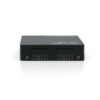
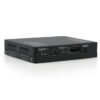
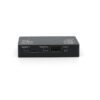
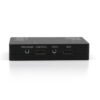

## Introducing the Cynthion Hardware Tool
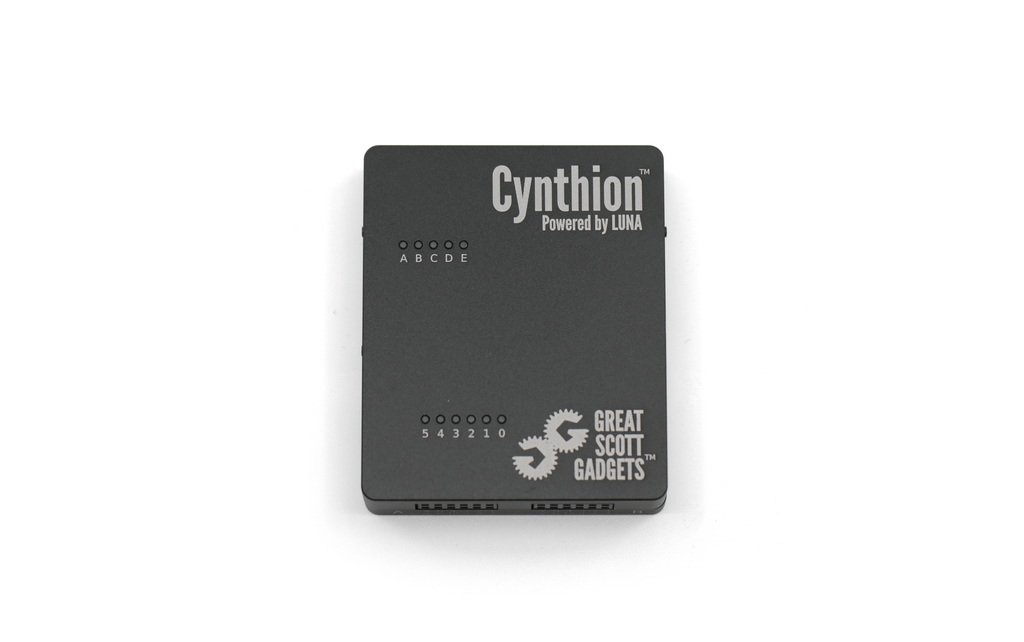
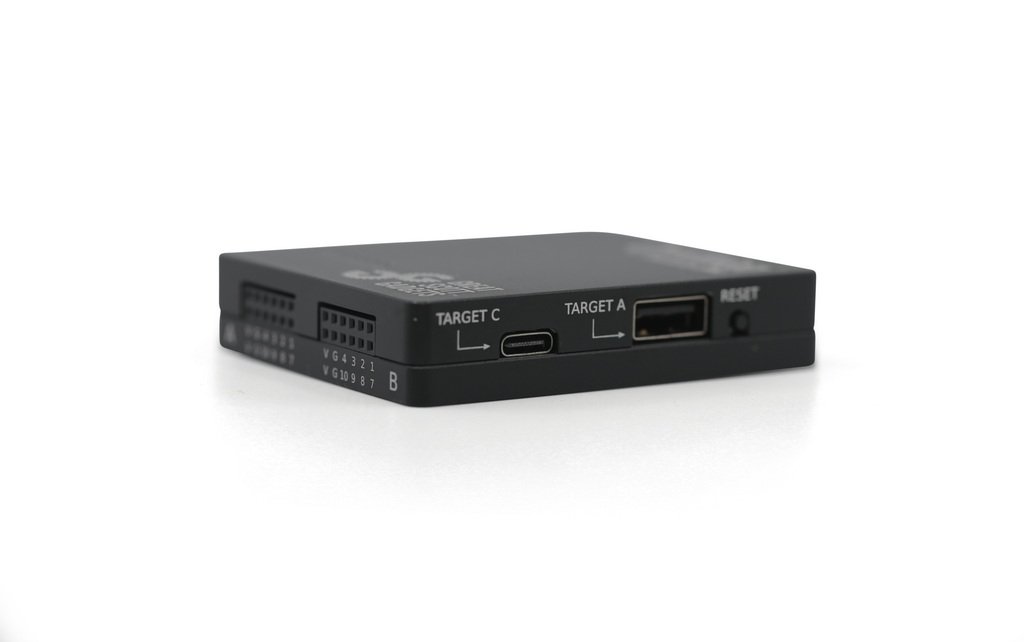
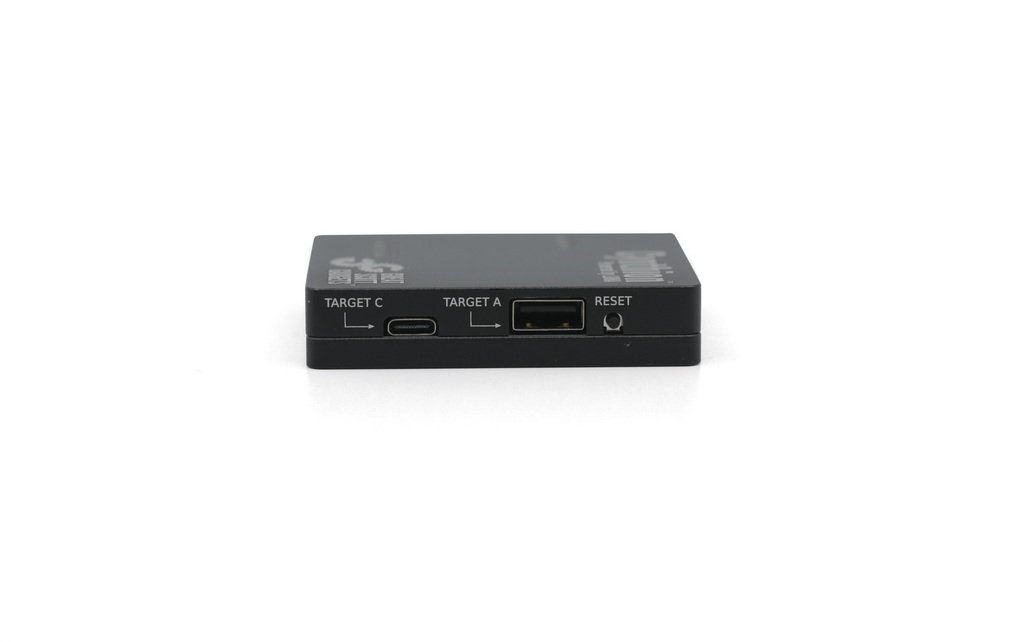
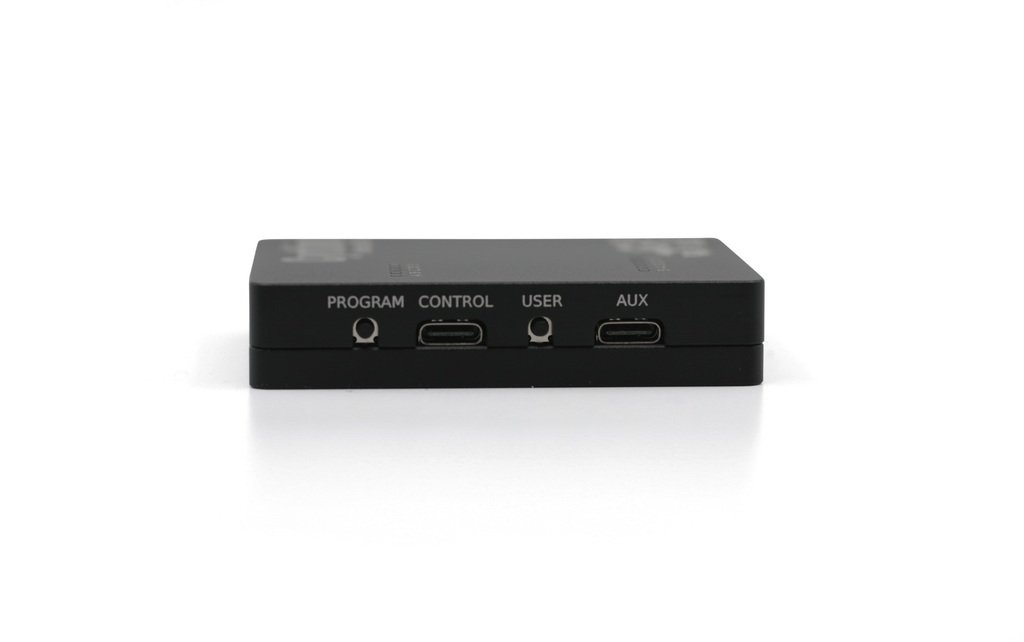
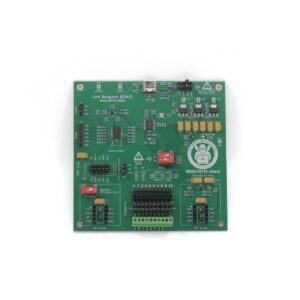
The Cynthion is a cutting-edge open-source hardware platform designed for USB hacking, security research, and embedded development. Built on a RISC-V processor and FPGA technology, this device empowers ethical hackers, security professionals, and hardware enthusiasts to explore USB protocols, emulate devices, and prototype custom solutions. Whether you’re delving into hardware security or building innovative gadgets, the Cynthion offers unparalleled flexibility in the realm of hardware tools.
As part of our extensive collection of security and hacking tools, the Cynthion complements devices like the Flipper Zero for multifaceted penetration testing. Its compact design and powerful features make it a must-have for anyone serious about hardware hacking.
## Key Features of Cynthion
Equipped with a Lattice ECP5 FPGA and a RISC-V softcore CPU, the Cynthion supports high-speed USB 2.0 operations, making it perfect for tasks such as USB fuzzing, protocol analysis, and device emulation. The open-source nature allows for full customization, enabling users to modify firmware and hardware designs to suit specific security scenarios.
One standout feature is its ability to handle complex USB interactions, which is invaluable for cybersecurity experts testing vulnerabilities in connected devices. Pair it with our [SDR tools](https://hackingtoolshop.com/category/sdr) for enhanced radio frequency hacking capabilities, or explore our [RFID category](https://hackingtoolshop.com/category/rfid) for complementary wireless security products.
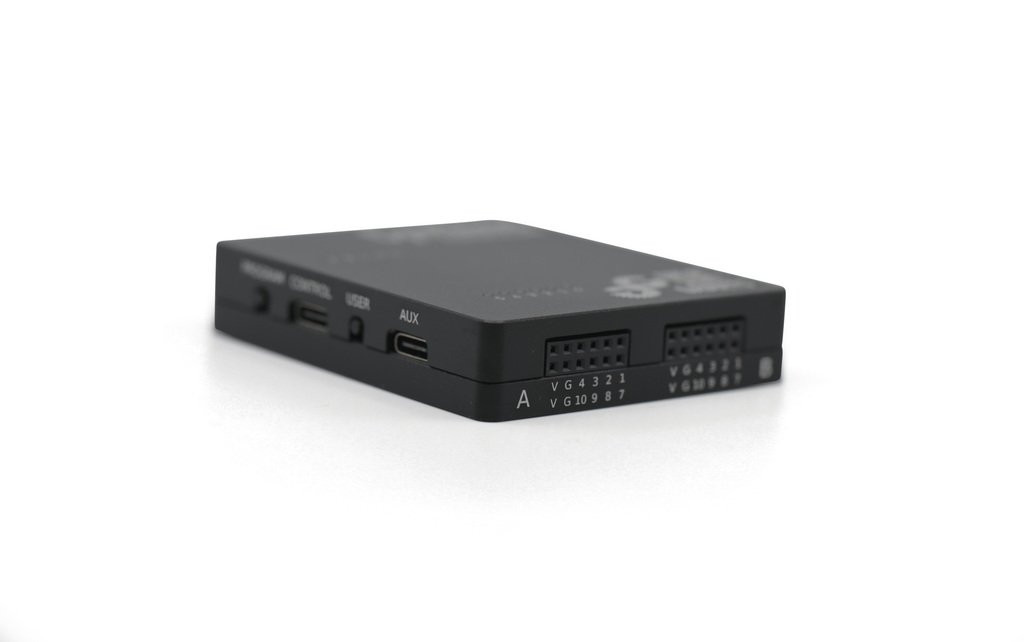
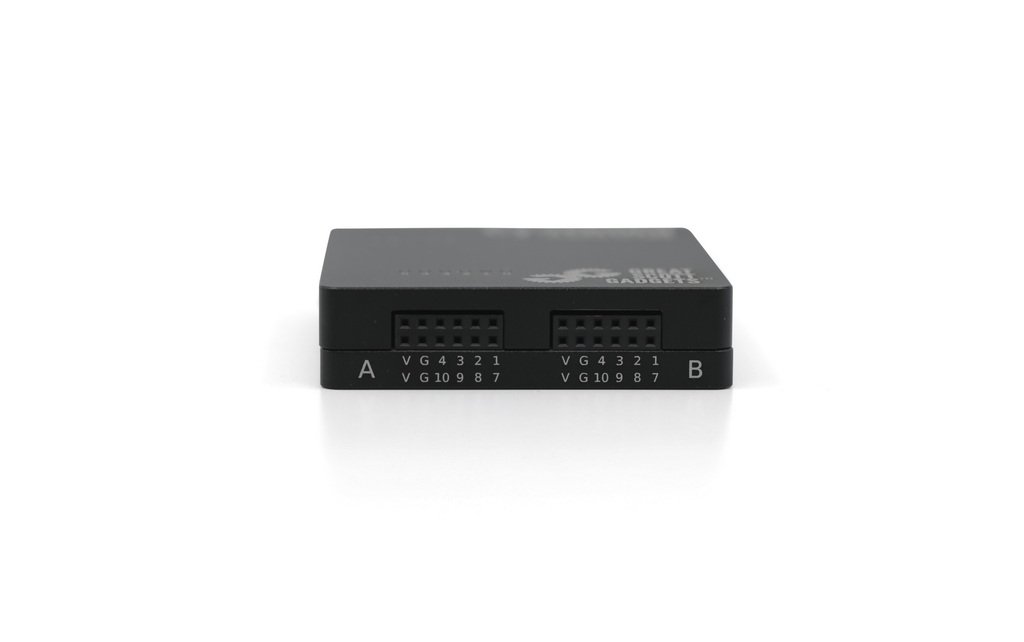
The Cynthion also includes GPIO pins for interfacing with other hardware, expanding its use cases beyond USB to general embedded systems development. Its affordability and community-driven support ensure it’s accessible for both beginners and advanced users in the hardware tools space.
## Use Cases in Security and Hacking
In the world of ethical hacking, the Cynthion shines in scenarios like reverse engineering USB devices or simulating attacks to test defenses. Security researchers can use it to prototype USB-based exploits or analyze malware that targets hardware interfaces. For instance, it’s ideal for educational purposes in cybersecurity courses, where students learn about USB vulnerabilities hands-on.
Professionals in penetration testing often integrate the Cynthion with lock picking sets from our [lock picks category](https://hackingtoolshop.com/category/lock-picks) to create comprehensive physical security assessments. Its versatility extends to IoT device hacking, where understanding USB communications is crucial for identifying weaknesses.
## Why Choose Cynthion from Hacking Tool Shop?
At Hacking Tool Shop, we prioritize quality and authenticity in all our hardware tools. The Cynthion is sourced directly from reliable manufacturers, ensuring you get a genuine product backed by community resources. For more details on its technical specifications, check the official documentation at [Great Scott Gadgets](https://greatscottgadgets.com/cynthion/).
Dive deeper into FPGA technology with resources from [Wikipedia’s FPGA page](https://en.wikipedia.org/wiki/Field-programmable_gate_array), which explains the underlying principles powering the Cynthion. Additionally, explore the open-source repository on [GitHub](https://github.com/greatscottgadgets/cynthion) for firmware updates and community contributions.
Investing in the Cynthion means equipping yourself with a tool that’s not only powerful but also future-proof, thanks to its programmable architecture. Whether you’re a hobbyist experimenting with USB hardware or a professional conducting security audits, this device delivers reliable performance.
## Technical Specifications
– Processor: RISC-V softcore
– FPGA: Lattice ECP5 with 45k LUTs
– USB: High-speed 2.0 interface
– Connectivity: GPIO, JTAG, and more
– Power: USB-powered for portability
With over 500 words of detailed insights, this description highlights why the Cynthion is an essential addition to your hardware tools arsenal. Order yours today and unlock new possibilities in USB hacking and security research.
Reviews
There are no reviews yet.